
Coconut plantations may offer opportunities to create measurable climate benefits, but those benefits do not automatically qualify as carbon credits. For importers, procurement teams and sustainability partners, the key questions are whether a project can demonstrate additional emissions reductions or removals, meet an applicable carbon methodology, and provide transparent monitoring data.
For Ben Tre’s coconut sector, exploring carbon credit potential means starting with project feasibility—not assuming a credit volume or revenue. FADOAgri has identified carbon credit solutions from coconut gardens as part of its 2030 direction. Turning that ambition into a credible project would require technical assessment, landholder engagement and independent verification under the chosen program.

What carbon credits could mean for coconut plantations
A carbon credit generally represents a quantified climate benefit recognized under a particular carbon program. Depending on the project design and applicable methodology, that benefit may relate to emissions reduced or greenhouse gases removed from the atmosphere. The exact accounting rules, eligible activities and documentation requirements depend on the program and methodology selected.
In a coconut-growing area such as Ben Tre, a project team might assess whether specific farm practices or linked activities can produce measurable climate benefits. Possibilities to investigate could include changes in land management, organic waste handling or the use of coconut by-products. These are project concepts to assess, not proof that a particular practice is eligible or credit-generating.
The distinction matters commercially: a sustainability initiative, an emissions estimate and a verified carbon credit are not interchangeable. Buyers should ask what has been measured, under which rules, by whom and for what period before relying on any carbon claim.
What determines whether a project is viable?
A credible feasibility study should test several conditions before the project makes claims about credits.
1. An applicable methodology
The project needs a carbon-accounting approach that fits its activities and can be accepted by the intended program. The methodology may define the project boundary, baseline, monitoring plan, eligible practices and calculation rules. The team should confirm that the methodology is current and applicable before estimating potential issuance.
2. A defensible baseline and additionality case
The baseline describes what would reasonably happen without the project. The project must also address whether its climate benefits are additional under the rules being applied. These assessments are project-specific; they cannot be established simply by stating that a farm practice is sustainable or beneficial.
3. Reliable measurement and records
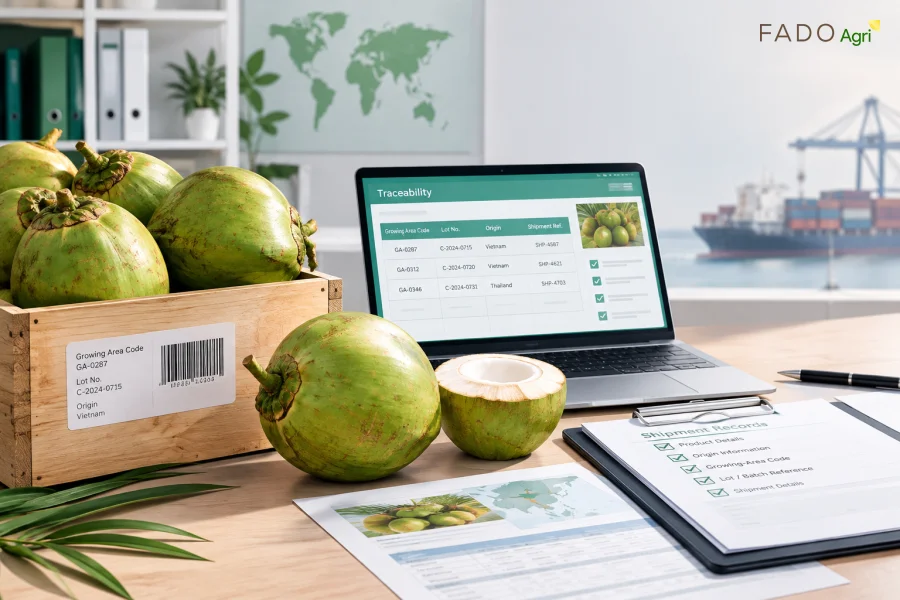
Monitoring, reporting and verification (MRV) depend on consistent, traceable data. Depending on the methodology, a project may need records on participating farms, land use, management practices, inputs, outputs and relevant emissions sources. Data collection should be designed around the selected methodology rather than assembled after a claim has been made.
4. Clear landholder participation and rights
A project needs documented participation from the relevant landholders and clarity on who may develop, transfer or make claims about any resulting credits. Agreements should explain responsibilities, data use, benefit-sharing arrangements and the handling of changes in participation. The appropriate legal review will depend on the project structure and applicable requirements.
5. Risk management and independent review
A project should assess whether its climate benefits could be reversed, displaced or overstated. It should also identify the validation, verification and registry steps required by the selected program. These processes and their timing should be confirmed with the relevant program and qualified project advisers.
Coconut by-products: a project pathway to investigate
Coconut production can generate materials beyond the fresh fruit, including husk, shell and other processing residues. FADOAgri’s supplied company information describes uses such as coir-based growing media, shell-derived biochar and dried coconut products as part of a circular-economy approach. Whether any particular use can support carbon credits depends on its full lifecycle, the project boundary and the applicable accounting rules.
For example, a project team assessing a by-product pathway would need to understand the material’s previous handling and destination, the process used, energy inputs, transport and the product’s end use. It would also need to determine whether the relevant activity is covered by an applicable methodology. Without this evidence, it would be premature to claim a quantified carbon benefit.
Circular agriculture can create commercial and resource-efficiency opportunities, but it does not automatically establish a carbon credit. Keep operational sustainability claims separate from verified credit claims, and avoid counting the same climate benefit more than once.
A practical data checklist for buyers and project partners
Before discussing credit volumes or commercial terms, request a project information pack that explains the basis of the proposal. The following items can help procurement and sustainability teams begin due diligence:
| Information area | What to request | Why it matters |
|---|---|---|
| Project scope | Location, participating farms, activities and project boundary | Shows what the project includes and excludes |
| Methodology | Program and methodology under consideration, with applicability rationale | Identifies the rules intended to govern accounting |
| Baseline | Baseline approach and supporting evidence | Explains the comparison used to assess project outcomes |
| MRV plan | Data sources, monitoring responsibilities, reporting process and verification approach | Helps assess traceability and audit readiness |
| Participation | Landholder agreements, responsibilities and benefit-sharing principles | Clarifies consent, rights and project governance |
| Risk assessment | Treatment of reversal, leakage and uncertainty where relevant to the methodology | Shows how potential weaknesses are considered |
| Claims and ownership | Proposed credit ownership, transfer process and permitted claims | Reduces the risk of conflicting or unsupported claims |
| Commercial assumptions | Any proposed volume, timing or price, with assumptions and status clearly stated | Distinguishes verified information from preliminary estimates |
This checklist is a starting point, not a substitute for legal, technical or carbon-program advice. Specific requirements should be confirmed against the selected methodology and program documentation.
Questions procurement teams should ask
When evaluating a potential coconut-based carbon project, buyers can ask:
- Has the project selected a methodology, and has its applicability been assessed?
- What evidence supports the baseline and additionality assessment?
- Which farms and activities are included, and how is participation documented?
- How will monitoring data be collected, stored and independently checked?
- What uncertainties, reversals or potential leakage have been considered?
- Who would own any credits, and what claims could buyers make after a transfer?
- Are any stated volumes verified, preliminary estimates or future projections?
Clear answers help buyers distinguish an early-stage opportunity from a project that has completed the relevant steps for credit issuance. Until a project’s status and evidence are established, treat volume, timing and revenue figures as unconfirmed.
From opportunity to export-ready sustainability information
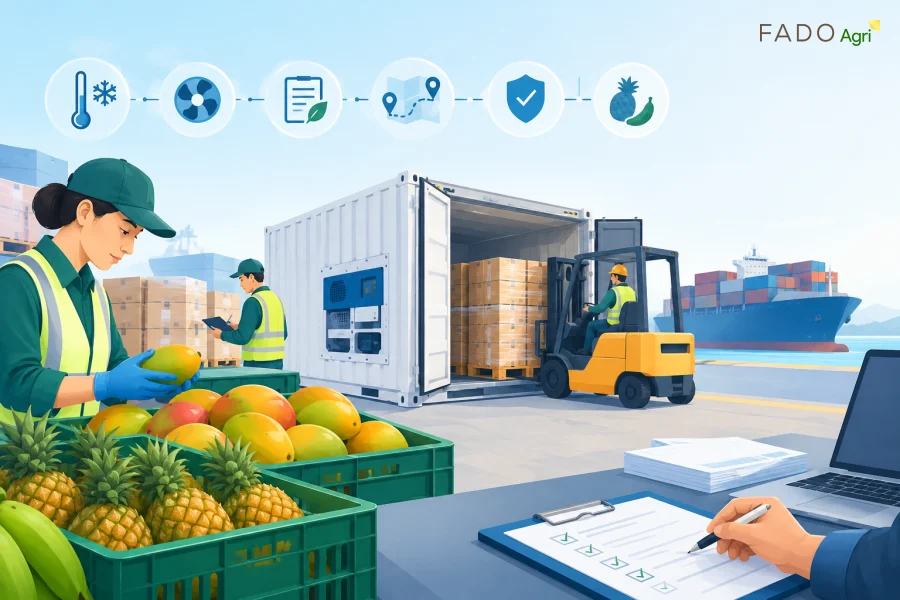
For international buyers, carbon information should complement—not replace—product specifications, food safety documentation, phytosanitary requirements and Cold Chain logistics records. These serve different purposes. A carbon project does not by itself demonstrate product quality, MRLs compliance, GlobalGAP certification or compliance with destination-market SPS/TBT standards.
A useful supplier discussion can therefore cover two workstreams:
- Product and export readiness: product format, specifications, packing, shipment planning and the documents relevant to the destination market.
- Climate-project readiness: project boundary, methodology, landholder participation, MRV plan, independent review and the status of any carbon claims.
Keeping the workstreams distinct allows procurement teams to assess both supply requirements and sustainability evidence without treating one as proof of the other.
Frequently asked questions
Do Ben Tre coconut plantations already generate carbon credits?
The information available here does not establish that a specific Ben Tre coconut project has been registered, verified or issued credits. A project’s status must be checked against its chosen program and supporting documentation.
Can coconut by-products automatically be counted as carbon benefits?
No. A by-product use may be worth assessing, but eligibility and quantified benefits depend on the activity, lifecycle evidence, project boundary and applicable methodology.
What should an importer request before using a carbon claim?
Request the project’s methodology and status, evidence supporting the claim, MRV and verification information, and documentation clarifying credit ownership and permitted use of claims. Have the material reviewed by appropriate technical and legal advisers.
Is a projected carbon credit volume the same as an issued credit?
No. A projection or preliminary estimate is not the same as a credit issued under a carbon program. Ask the project team to identify the status and basis of each figure.
Discuss coconut sourcing and project readiness
FADOAgri’s stated 2030 direction includes exploring carbon credit solutions from coconut gardens. Importers and procurement partners can discuss export specifications alongside the current status of any sustainability initiative, its evidence base and the next steps required for assessment.
Contact FADOAgri’s export sales team for product specifications, MOQ, FOB/CIF quotation and information on export planning. For inquiries, contact (+84) 908 479 339 via phone or WhatsApp, or email [email protected]. Any carbon-credit volumes, timelines or commercial terms should be treated as unconfirmed unless supported by project documentation.